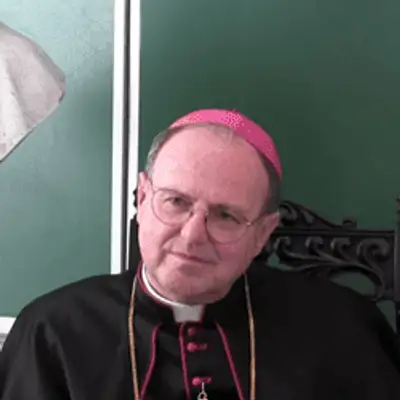
Gluttony - Bp. Donald Sanborn 02-20-94
Download MP3Here is a comprehensive summary of Bishop Donald Sanborn’s sermon on the capital sin of gluttony:
Summary
Bishop Sanborn gives a precise and moral-theological explanation of gluttony, the fourth capital sin, defining it as an inordinate love for the pleasures of eating and drinking. He outlines its forms, effects, and when it becomes mortal. He shows how gluttony not only harms the body but enslaves the soul, leading to lust, intemperance, and other spiritual ruin. He also critiques modern obsessions with health and fitness as a disguised form of gluttony rooted in vanity. Remedies include prayer, mortification, and reordering intentions toward God’s glory and fulfilling one’s duties of state.
Key Teachings and Points
1. Definition and Disorder
- Gluttony is the disordered desire to eat or drink for pleasure rather than for health or sustaining life.
- It becomes sinful when pleasure displaces necessity and moderation.
2. Four Common Forms of Gluttony
- Eating without need, such as constant snacking out of habit or nervousness (usually venial).
- Desiring delicacies or being overly picky—placing pleasure of the palate above simplicity.
- Gorging or overconsumption, going beyond bodily needs, even harming health.
- Eager or animalistic eating, losing control and behaving like irrational creatures.
3. Consequences of Gluttony
- Brutalizes man, weakens spiritual and moral strength.
- Leads to lust and other sensual sins—gluttony and impurity are closely connected.
- Can become mortal sin when it:
- Prevents one from fulfilling duties of state (e.g., due to obesity or drunkenness).
- Harms one’s health (e.g., ignoring dietary restrictions).
- Causes financial strain, especially through alcohol abuse.
- Leads to other grave sins, like detraction, calumny, or immodest behavior in social settings.
4. Venial vs. Mortal
- Most gluttonous acts are venial sins, such as overeating or drinking slightly too much.
- Becomes mortal when it causes:
- Dereliction of duty,
- Health damage,
- Ruinous expense,
- Grave offenses (lust, slander, etc.).
5. Obstacle to Perfection
- Even minor indulgence hinders progress in holiness.
- Mortification is essential for spiritual advancement—every saint practiced it.
- Lenten fast, Ember Days, and Friday abstinence exist to combat gluttony.
6. Gluttony and Children
- Children who are not taught moderation become enslaved to pleasure.
- Later in life, they are more vulnerable to impurity, lacking the will to say “no.”
7. Modern Excesses in Health & Fitness
- Overemphasis on fitness, body image, and food purity is a vanity-driven form of gluttony.
- Obsession with health food becomes quasi-religious and distracts from true piety.
- Reminder: “We are all going to die”—what matters is the state of the soul.
Remedies to Gluttony
- Right Intention in Eating
- Food is for sustaining health, not indulgence.
- Compare eating to fueling a car—functional, not indulgent.
- Moderation Through Willpower
- When the intellect and will guide eating, gluttony is avoided.
- Deny the extra drink or snack for love of God.
- Mortification
- Say “no” to pleasures regularly to build spiritual discipline.
- Lenten fast and traditional disciplines train the will, inflict mild penance, and direct the soul to God.
Conclusion
Gluttony, though often dismissed or considered minor, is a serious sin that damages both soul and body. It feeds lust, weakens the will, and can easily lead to mortal sin when unchecked. Bishop Sanborn emphasizes that even well-meaning obsessions with health can become gluttonous when rooted in vanity and disordered attention to the body. The remedies lie in moderation, prayer, and mortification, with an eye always fixed on eternity.
Traditional Catholic Commentary (Sedevacantist Perspective)
This sermon is a model of pre-Vatican II Catholic morality. Its clarity, consistency, and severity are a rebuke to the laxity of the post-conciliar era:
Upholding True Catholic Doctrine
- Sanborn teaches the Thomistic framework of sin, distinguishing mortal and venial degrees based on object, intention, and consequence.
- He links gluttony with impurity, consistent with traditional Catholic moral theology.
- Mortification is presented as essential, not optional—a view found throughout the Lives of the Saints.
Vatican II vs. Traditional Teaching
- The post-Vatican II Church rarely speaks of gluttony, mortification, or the capital sins.
- Novus Ordo catechesis downplays these disciplines in favor of self-esteem and body positivity.
- The emphasis on fitness and wellness even among "modern Catholics" often reflects the world’s values, not the Cross.
Parental Laxity Condemned
- Traditional Catholic parenting involves teaching self-denial early.
- This is opposed to modern permissiveness which weakens the child’s will and leads to grave moral failure later.
Final Reflection
“The remedy to gluttony is mortification… and the Lenten fast is the costliest mortification for man.”
Bishop Sanborn calls us to sobriety, modesty, and spiritual vigilance. He reminds us that while food is necessary, we are not animals, and our goal is not merely to live, but to die in the state of grace.
He exposes the root danger of gluttony: it is the gateway to hell if unchecked.
“We are all going to die… but our souls will live eternally, if we take care of them now.”
Creators and Guests